
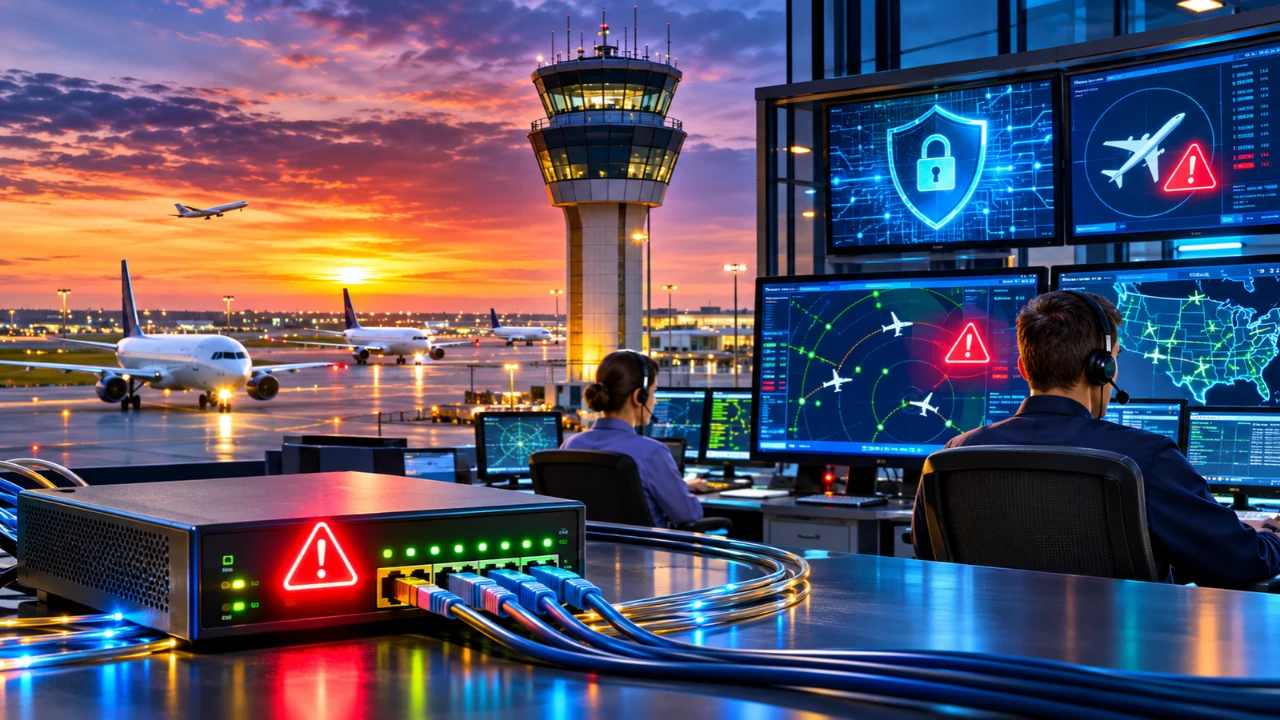
A single networking device has become the center of a major FAA investigation after a nationwide ground stop disrupted thousands of flights across the United States on November 13, 2026. Early findings suggest a router installed during a communications infrastructure upgrade unexpectedly flooded critical FAA systems, forcing regulators to temporarily halt departures while engineers stabilized the network. Officials emphasize that the investigation remains ongoing, but they have found no evidence of a cyberattack so far.
For millions of travelers, the incident raised an important question: How could one router affect air travel across the country? Here’s what we know and what passengers should expect in the coming days.
Read Also-Tesla Cybercab Orders Open: What $29,990 Really Gets You Today
Why Is the FAA Ground Stop Router Under Investigation?
According to Transportation Secretary Sean Duffy, the issue began during routine maintenance performed by FAA telecommunications contractor L3Harris. The project involved replacing aging copper communication lines with modern fiber-optic infrastructure, part of a long-term modernization effort.
Investigators believe a newly installed router began sending an unusually large volume of network traffic that spread through the FAA communications system.
Current findings include:
- Routine maintenance was underway during the outage.
- A router reportedly flooded other FAA routers with connection requests.
- Radar feeds and controller communications were disrupted.
- The FAA ordered a nationwide ground stop as a safety precaution.
- Officials are still determining whether the cause was hardware failure, configuration error, or installation issues.
The affected equipment has since been removed for laboratory testing while investigators continue analyzing the root cause.
What Was L3Harris Doing Before the Outage?
L3Harris has confirmed it has been working with the FAA to modernize the National Airspace System by replacing legacy telecommunications equipment.
The company says:
- More than 70% of the nationwide communications conversion has already been completed.
- The project replaces decades-old copper circuits with fiber-optic connections.
- L3Harris is cooperating fully with the FAA investigation.
Officials say the upgrade itself is necessary because many components supporting U.S. air traffic control are reaching the end of their operational life.
Read Also-FAA Ground Stop: Aging Air-Traffic Tech Failed Nationwide
How Did One Router Affect So Many Flights?
Although the FAA uses multiple redundant systems, routers act as traffic managers that move communication data between critical aviation networks.
Investigators say the router may have begun broadcasting excessive connection requests, overwhelming neighboring systems instead of routing information normally.
The disruption affected:
- Air traffic controller communications
- Radar information sharing
- Flight coordination between FAA facilities
- Departure sequencing nationwide
As a precaution, the FAA disabled the affected routers and also turned off similar functionality on dozens of comparable devices while additional testing continues.
Officials continue to stress that there is no confirmed evidence of sabotage or cyber intrusion, and current findings point toward a technical infrastructure problem rather than malicious activity.
What Should Travelers Expect Now?
Most airlines have gradually restored operations, but recovery may continue as aircraft, crews, and schedules return to normal.
Travelers flying over the next several days should:
- Check flight status before leaving home.
- Enable airline mobile notifications.
- Arrive slightly earlier than usual.
- Consider nonstop flights when available.
- Monitor airline travel advisories if traveling during peak holiday periods.
Transportation officials expect operations to continue stabilizing, although isolated delays may persist while airlines reposition aircraft and crews.
What This Means for the Future of U.S. Air Traffic
The incident has renewed attention on the aging communications systems that support America’s aviation network.
Federal officials say the investigation will determine whether:
- Router hardware malfunctioned.
- Installation procedures need improvement.
- Additional safeguards should be added before future upgrades.
- Maintenance schedules should avoid daytime replacement work at remote FAA facilities.
The outage has also intensified calls for accelerated investment in air traffic control modernization as the transition from legacy infrastructure continues.
How to Check Your Flight During FAA Recovery
If you’re flying soon, follow these steps:
- Check your airline’s official app or website before leaving for the airport.
- Review the FAA’s current advisory information if delays are reported.
- Sign up for text or push notifications from your airline.
- Allow extra travel time to the airport.
- If your flight is delayed or canceled, use your airline’s self-service rebooking tools before joining airport service lines.
- Keep alternate travel plans ready if flying during peak travel periods.
Read Also-OpenAI Daybreak Red Team: How AI Agents Find and Fix Website Security Bugs