
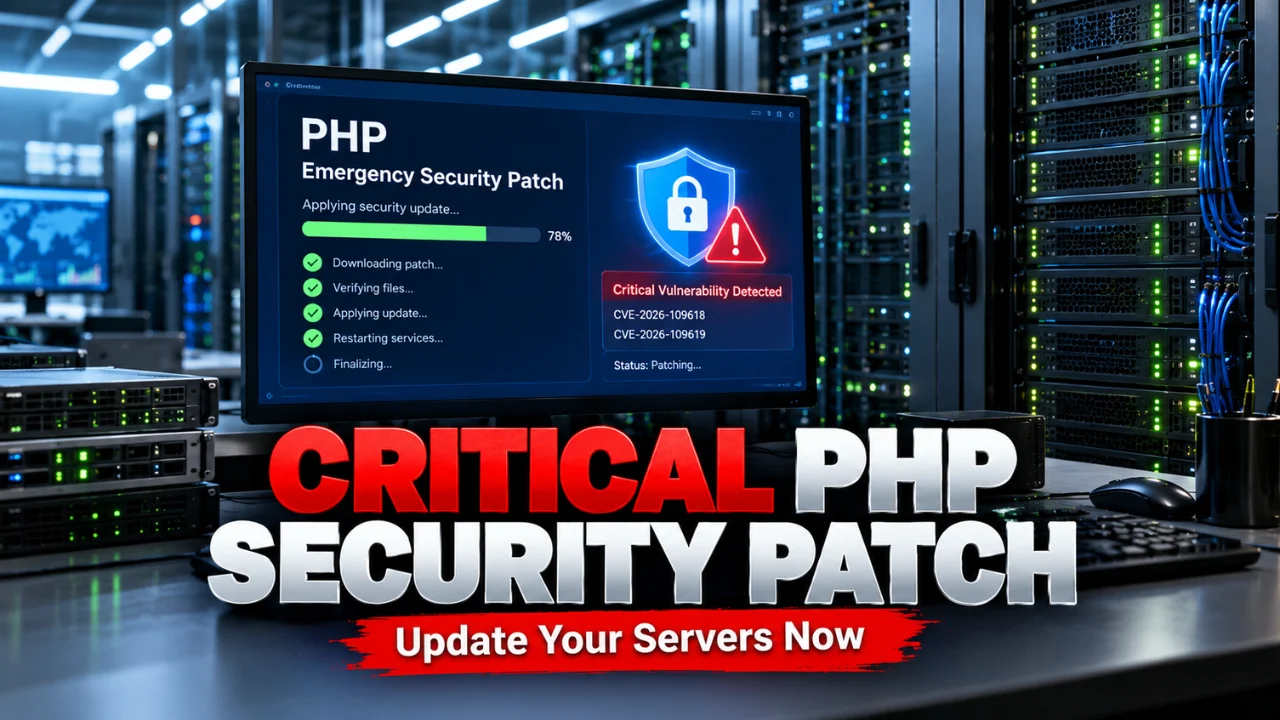
If your website runs on PHP, this is one update you shouldn’t ignore. The PHP Emergency Security Patch released in October 2026 addresses two critical remote code execution (RCE) vulnerabilities—CVE-2026-109618 and CVE-2026-109619—collectively known as PHP2Shell. Security researchers and multiple government cyber agencies are urging administrators to patch immediately because these flaws could allow attackers to execute malicious code on vulnerable web servers without authentication.
PHP serves as the foundation for millions of websites and online services, from WordPress blogs and e-commerce platforms to business portals, web APIs, and custom applications. Since these newly disclosed vulnerabilities affect PHP’s core functionality instead of a specific plugin or framework, organizations using any PHP-based environment should review and apply the latest security updates as soon as possible to reduce potential risk.
If you manage a website, host client applications, or run PHP-based services, here’s what you need to know about the PHP Emergency Security Patch, why it matters, and the steps you should take immediately.
What Is the PHP Emergency Security Patch?
The PHP development team issued an out-of-band emergency update after two critical vulnerabilities were publicly disclosed earlier than expected. The flaws, tracked as CVE-2026-109618 and CVE-2026-109619, are capable of enabling unauthenticated remote code execution, meaning attackers may be able to compromise affected servers simply by sending specially crafted web requests.
Unlike vulnerabilities that affect only specific CMS platforms or extensions, these issues exist in PHP’s core runtime, making them relevant to a wide range of PHP-powered applications.
Why Is PHP2Shell Making Headlines?
The cybersecurity community has nicknamed these vulnerabilities PHP2Shell because successful exploitation can allow attackers to obtain remote command execution on vulnerable servers.
Security researchers describe the vulnerabilities as particularly dangerous because:
- No user login is required.
- Internet-facing PHP servers are the primary target.
- Multiple PHP deployment methods are affected.
- Exploit attempts appeared rapidly after technical details became public.
This combination has made PHP2Shell one of the most closely watched cybersecurity stories of October 2026.
Which PHP Versions Are Affected?
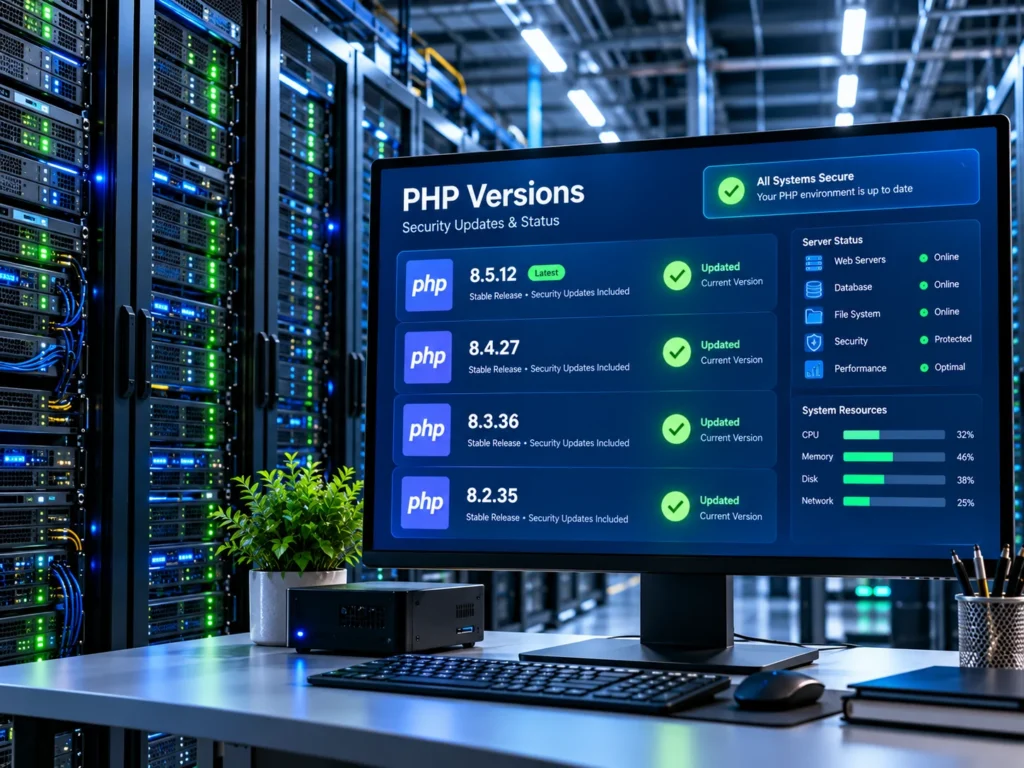
According to the PHP security team, the PHP Emergency Security Patch applies to all supported PHP branches, and every supported version required an emergency security update.
The fixed releases include:
- PHP 8.5.12
- PHP 8.4.27
- PHP 8.3.36
- PHP 8.2.35
Older branches such as PHP 8.1 and earlier no longer receive normal upstream support, although some Linux distributions and enterprise vendors may provide backported security updates.
What Are CVE-2026-109618 and CVE-2026-109619?
Both vulnerabilities are rated Critical.
CVE-2026-109618
Researchers say this vulnerability can lead to remote code execution through memory corruption that occurs when PHP handles abnormal request cleanup under specific conditions.
CVE-2026-109619
The second vulnerability involves stale request-related memory that may be reused incorrectly, potentially allowing attackers to execute code or expose sensitive memory contents.
Although the underlying technical causes differ, both vulnerabilities may ultimately allow attackers to compromise affected PHP servers.
Why Website Owners Should Take This Seriously
Unlike many software bugs that require user interaction, PHP2Shell targets the web server itself.
Potential consequences include:
- Remote code execution
- Website compromise
- Data theft
- Malware deployment
- Web shell installation
- Complete server takeover
Because PHP is widely used across shared hosting, VPS environments, enterprise infrastructure, and cloud deployments, delaying the PHP Emergency Security Patch could leave millions of websites exposed to potential attacks.
Which Servers Could Be Impacted?
The PHP team says the vulnerabilities affect multiple common deployment methods, including:
- PHP-FPM
- Apache with mod_php
- php-cgi
- LiteSpeed
- FrankenPHP
The highest risk has been reported for Apache installations using mod_php, although administrators should update every supported deployment regardless of configuration.
How to Protect Your Website Immediately
Security experts recommend installing the PHP Emergency Security Patch as soon as possible to reduce the risk of active exploitation.
1. Update PHP Immediately
Install the latest supported PHP version released by your operating system, hosting provider, or control panel.
2. Check Your Hosting Provider
Many managed hosting companies automatically deploy emergency security updates.
Verify that your server has already received the PHP Emergency Security Patch and is running one of the latest patched PHP releases.
3. Update Third-Party Appliances
Some commercial software bundles its own PHP runtime.
Updating your operating system alone may not update embedded PHP installations.
4. Restart PHP Services
After updating, restart PHP workers or web services if required by your hosting environment.
5. Review Security Logs
Look for unusual requests, unexpected PHP errors, or unfamiliar processes that appeared before patching.
Can You Mitigate the Risk Without Updating?
Temporary configuration changes may reduce exposure in certain environments, but security organizations emphasize that patching is the only complete solution.
If immediate updates aren’t possible, administrators should review the temporary mitigation guidance provided by the PHP project while preparing to install the official security update as quickly as possible.
Why This Matters for WordPress Users
Although the vulnerabilities do not originate in WordPress itself, WordPress relies heavily on PHP.
If the server runs a vulnerable PHP version, the website could remain at risk regardless of whether WordPress, themes, and plugins are fully updated.
That makes server-level patching just as important as keeping WordPress up to date. If you manage multiple smart devices and connected systems, you may also like our guide on How to Fix Ring Doorbell Flashing White After a Power Outage, which explains how network interruptions can affect connected devices.
How the Cybersecurity Community Is Responding
Following disclosure, cybersecurity agencies, hosting providers, Linux vendors, and enterprise security companies urged organizations to deploy the PHP Emergency Security Patch immediately and verify that every affected PHP installation had been updated.
Several organizations also advised administrators to inventory every PHP installation in their environments because bundled or embedded PHP runtimes are often overlooked during emergency updates.
Frequently Asked Questions (FAQs)
-
What is PHP2Shell?
PHP2Shell is the nickname given to two critical PHP vulnerabilities tracked as CVE-2026-109618 and CVE-2026-109619 that can allow unauthenticated remote code execution on vulnerable PHP servers.
-
Is WordPress vulnerable?
The vulnerabilities affect PHP rather than WordPress. However, WordPress websites running vulnerable PHP versions may still be exposed until the server is updated.
-
Which PHP versions contain the fixes?
The official patched releases are PHP 8.5.12, 8.4.27, 8.3.36, and 8.2.35.
-
Should shared hosting customers do anything?
Yes. Check with your hosting provider to confirm that the PHP Emergency Security Patch has already been deployed.
-
Can I wait before updating?
Security experts recommend updating immediately because public information about the vulnerabilities is already available and exploitation attempts have been reported.
Final Thoughts
The PHP Emergency Security Patch is one of the most important software updates released in October 2026. With CVE-2026-109618 and CVE-2026-109619 capable of enabling unauthenticated remote code execution, organizations that rely on PHP should treat these updates as a top priority.
Whether you manage a personal website, a business application, or enterprise infrastructure, installing the PHP Emergency Security Patch on every PHP installation is the most effective way to reduce security risks. As exploit activity continues to evolve, keeping your web server fully patched remains one of the strongest defenses against emerging cyber threats.
Looking to keep your website secure and running smoothly? Explore more troubleshooting and technology guides on The Smart Fix Guide to stay updated with the latest software fixes and security news.